Friday, March 11, 2011

Preparing Matted Prints for Sale


I purchase photo mats in bulk when on sale to save money, and order those that are delivered in reclosable archival cellophane envelopes so that I can mat the print and then return it to it's clear envelope that the mat was protected in originally. I include a "free" business card (which I order online for just the price of shipping) inside with each matted print, as well as a label showing the title, type of art and artist's signature. The art print itself is stamped with artist's information on the back also. The price label is affixed on the outside, so that the envelope doesn't have to be reopened due to a possible price change.

I keep the titles of my work consistent with the titles I sell online so that they are easy to find if the design is wanted in a different format such as cards, mugs, aprons, etc. My business cards include information on the back as to where the prints are available locally and where different formats and products of the print designs are available for order online.

I keep mats on hand, and can print out an occasional print at home if a special request is made. But I find it is less expensive to order prints in bulk online, as long as you stick with a company that you know consistently provides good quality prints at reasonable charge and then keep track of the prices at each site you use so that you can always purchase them when they are at a reduced sale price.      

Thursday, March 3, 2011

ArtfulExpress Blog linked in Examiner.com Article

Photo by RLHall, ArtfulExpress

My upcyled water bottle craft was recently mentioned in the article titled "Crafty uses for fabric scraps, plastic bottles and more" on Examiner.com - Mankato Green Culture


Wednesday, March 2, 2011

Creative Glass ~ Root Starter

Photo by JLTaft

My friend Jan has a cool glass root starter system for plant clippings. With spring coming up, everyone's thoughts are turning toward the warmer weather. When it's still too early to start seeds for outdoors we often turn to our houseplants to fulfill the gardening urge. Getting them ready for the better growing season - repotting, trimming up the tattered growth and pinching back the tips of tendrils to encourage fullness on the main stems. And best of all, starting new plants from those trimmings by first rooting them in water and then planting the newly rooted slips in soil for a whole new potted plant.  

Photo by JLTaft 

Jan's rooting system not only looks attractive, but saves space as well. She describes it as a set of 'petri-like' dishes, with three pouring spouts on the lip of each dish. Placing a plant clipping in each of the spouts, with the cut end in the dish full of water and the foliage protruding out on the outside, they are then neatly and sturdily stacked on top of each other to create a tower of starting plants.     

Photo by JLTaft

The system is called "The Plant Factory" and was made by Corning Glass Works. Since this factory's headquarters is located in my home town, and had changed it's name years ago to Corning Inc. this item must have been made quite some time ago. I have no idea whether they are still being manufactured for sale. A quick google search brought up no results, so they may not be available. Though there may be similar product on the market. 

Photo by JLTaft

Since Jan is taking her gardening hobby to a higher level with a greenhouse in the works and plans of offering various types of bedding and potted plants for sale. She needs a convenient way to start some plant's inside until her greenhouse is in working order and the weather has warmed up. This product enables you to add more dishes to each tower and use more towers as needed, providing a compact way to start many new plants at once, and it looks neat and interesting in your home.


Photo by RLHall

My creative root starter is not as sophisticated, efficient or attractive... but it will do, for me... in a pinch!


Sunday, February 27, 2011

Winter Jewels I've Found

'Winter Jewels' by RLHall, ArtfulExpress
 
Some of my photography news item posts have been featured at this online Photography Newspaper by Lashell Witaker as found on twitter. She also writes a great blog Jumla Photography. Check it all out :-)

Tuesday, February 22, 2011

Changes

One subject...


Two angles...


Different lightings...


Colorizations...


Digital manipulations...


Croppings...


Desaturations...


Imagination...


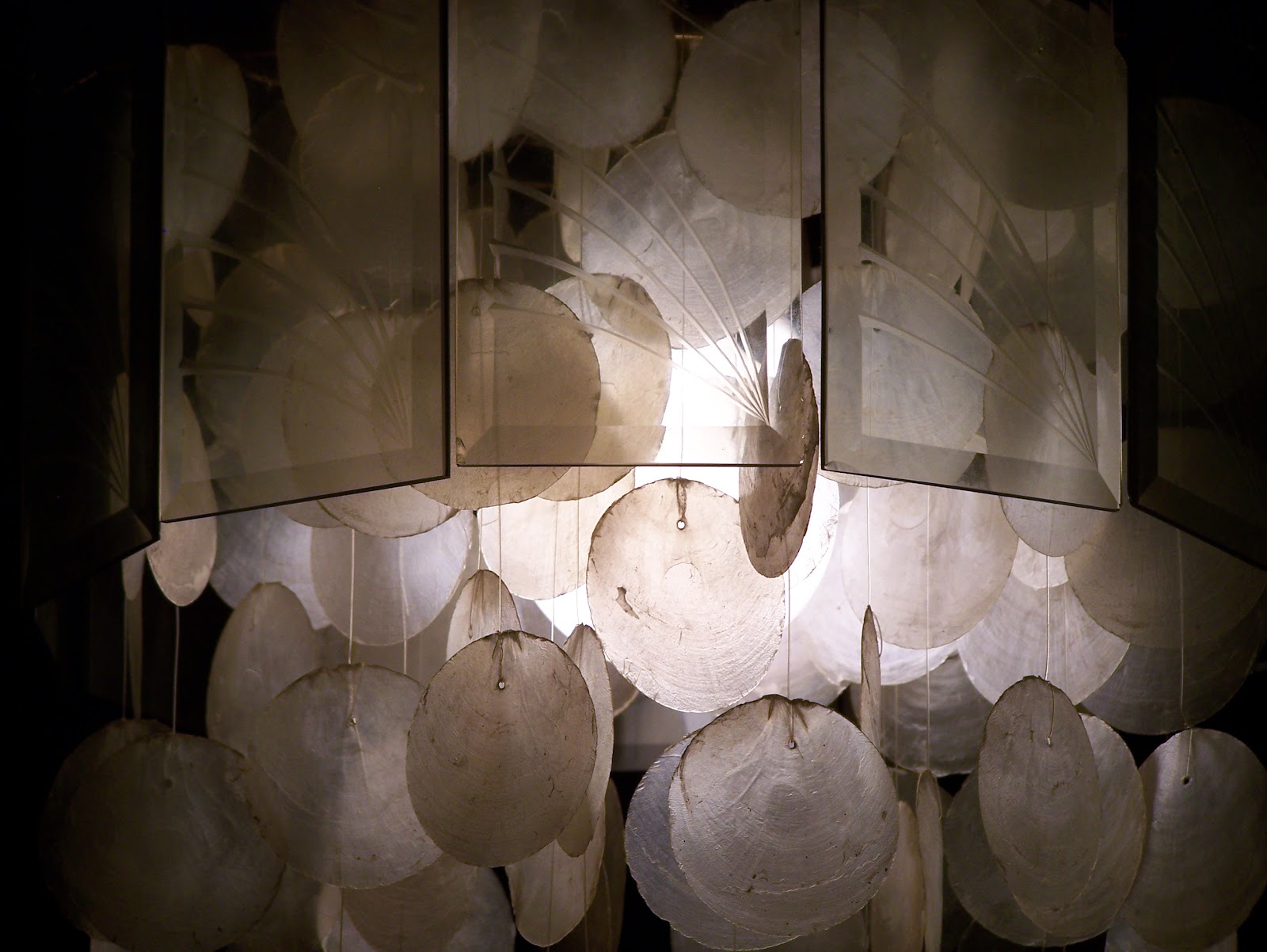
My hand-crafted Conch Shell Chandelier...


The possibilities are endless.

Monday, February 14, 2011

Tropical Themed Hand-Crafted Note Card


Example of my hand-crafted, invitation size, blank note card design.

This card incorporates an Origami shirt made with larger flower or leaf print paper, embellished with a 'Hawaiian Lei' created from narrow strips of a re-purposed plastic grocery bag, gathered with a needle and thread. Creating a card with a popular tropical flair. The layered card stock cover of the card was made by cutting the front a little shorter using fancy cut paper scissors.   

This card is great for anyone who lives in, or visits, a tropical climate. Or anyone who wishes they did! It can be used for cute 'Bon Voyage' wishes, or as invitations, place cards or thank you notes for an 'Ocean Cruise' or 'Hawaiin Luau' inspired themed party. 

There is enough space on the front of the card, or the under-layer below to add catchy phrases specific to your needs. And plenty of room inside, behind the front flap to write a personalized message.   

You can see directions for folding an Origami shirt here.  


Monday, January 31, 2011

Hand Crafted Gardener's Note Cards


These EcoArt Note Cards were created from old gardening catalog pages. The flower and leaf is an origami design fashioned from page photos with a saved dried squash seed as it's center, the background is made of a written page from a catalog as well. The main body is card stock, with the decorations constructed with scissors, a paper punch, glue and tape. Entire card is comprised of 90% recycled materials.   


My Note Cards are made to fit invitation size envelopes and are left blank inside. I often provide a box of hand made envelopes made from recycled pages and regular plain colored envelopes as well. So that the customer can choose one to go with each card purchased. Since the hand crafted cards are usually from printed materials they make a nice addition to cards handed out personally, whereas the plain cards sometimes work better for mailing. I leave it up to the buyer to choose which they prefer. 


A similar design incorporates mixed photo and written word gardening catalog pages in the flower design, which is set against the simple card stock background for a cleaner, less frilly look.

You can find instructions for making basic origami star flowers here. I have expanded on the basic design somewhat, and the appearance can be changed by using different paper patterns and textures. 


Wednesday, January 26, 2011

A Display of Family Keepsakes


This antique Cobbler Set belonged to my paternal Grandfather, Thomas Anthony Hall. My Dad brought it home as a remembrance of his father, soon after his death. When I was a young child it was kept near my Dad's workbench in the basement, these smaller tools were stored in the old wooden cigar box that they were found in at Grandpa's house in Pennsylvania. The larger shoe lasts and hammers were kept, along with the cigar box, in a large cardboard box in a metal cabinet where they would be safe. My Dad would sometimes bring them out for me to use when I was working on some childhood project, and used them himself at times. But they were always returned to their special storage place after being utilized. Each time we brought them out Dad would explain how to use each tool I needed and answered the many questions I always had about my Grandparent's lives and what my Father's and his sibling's childhoods were like in that place and time. .

My Grandfather was a Coal Miner, and this cobbler set was used to repair the families shoes, as money for new shoes was often hard to come by. He also fashioned many other useful items from scrap leather to replace worn straps, handles and hinges. And create change purses and small useful items for his young son.  

 When I was a teenager I wanted to put them on display in the basement game-room, and Dad and I worked together hanging the separate pieces on the wall and arranging the standing shoe lasts beneath them. Now that Dad has passed as well, I decided to create a more protective display for them, while still leaving the more useful tools accessible. By drilling holes in the top of an inexpensive shadow box, I now have the more worn, and smaller delicate pieces encased in glass and the tools that I often make use of are stored safely through the top edge of the wooden shadow box. The other tools are positioned underneath the shadow box and I have incorporated the old cigar box as a small shelf to hold the smaller items. In this way I can keep them all together in remembrance, to admire and use them.


Wednesday, January 19, 2011

Meditation Beads


These hand-strung meditation beads, in bracelet and necklace form, are meant to bring a sense of ritual to daily meditations. Taking them in hand alone, helps prepare for focus, and moving them through your fingers during your practice aids in keeping your mind on your mantra or affirmations. They provide a simple and convenient means for timing sessions as well. The soft wooden beads, will in time, take on a smoothly polished, and familiar feel bringing comfort and personal energy through them as they are utilized. They are delicate and attractive enough to be worn through the day, to remind of the importance of always being present and will be handy whenever the need to become more purposely centered arises. Mostly recycled materials are used in their creation along with meaningful beads, stones, or charms reflecting unique spiritual / religious beliefs or personal interests.

"Praying is asking God for help, meditating is listening for God's answer." ~ Unknown

“If you want to find God, hang out in the space between your thoughts.” ~ Alan Cohen

Friday, November 12, 2010

"Green Light!" Work Sold ~ as Environmental Note Cards


"Green Light!" Photography by RLHall ArtfulExpress
This work was meant to remind everyone that one simple change can make a huge difference in the fight for environmental protection, Go Green!

I'm happy with my switch from regular light bulbs over to CF bulbs. I decided to try them because of the environmental issue, but also because of my frustration with regular bulbs. Certain areas of my house must experience power surges, or something, that constantly blow out light bulbs. Plus the fact that it seems every package of bulbs purchased would have a bulb that either didn't work at all, or blew as soon as you put it in and turned on the lamp. That may be due to the fact that I normally only purchase them to keep on hand when I find they are on sale. Though I buy only brand name bulbs, I have come to believe that when they end up with a bad batch of bulbs, they mix them in with the good ones in a multi pack and sell the resulting defective package at a discounted price. It just happens too often to be just a coincidence...

I still buy only brand name energy star rated CF bulbs on sale, and they seem pricey. But I've found that they last so much longer, and work just as well in the blow out areas of my house that it makes it well worth while. In the last two years, I have only had to just recently replace the bulb that blew in the one lamp that is constantly used. And every bulb from the packages have worked well right from the start.

These bulbs don't flicker or make noises like other flourescent lights tend to do and they give off less heat than regular bulbs. The lighting is visually adequate and comfortabe. I bought one package and began replacing the regular bulbs that blew with a CF bulb. Now all my lights have CF's in them. And I think it has made a noticeable difference in my electric bill, though it's hard to judge with the service rates constantly increasing. I do continue to conserve energy by turning off unnecesary lights. I'm happy to contribute to environmental protection in such a small, easy way that is also better for me personally and could really make a difference - (see paragraph below) - imagine if everyone made the switch to more environmentally safe lighting in their houses and businesses like I did!

Energy-saving compact fluorescent (CFs) use a fraction of the electricity, which means lower electricity bills and millions of tons less global warming pollution. And in the summer, because they don't burn as hot as incandescent bulbs, they'll lower your cooling bills. If every household replaced just three 60-watt incandescent bulbs with efficient bulbs, the pollution savings would be like taking 3.5 million cars off the road! This, and the following, information was taken from the Environmental Defense Fund site...

Energy-saving compact fluorescent (CFs) use a fraction of the electricity, which means lower electricity bills and millions of tons less global warming pollution. And in the summer, because they don't burn as hot as incandescent bulbs, they'll lower your cooling bills. If every household replaced just three 60-watt incandescent bulbs with efficient bulbs, the pollution savings would be like taking 3.5 million cars off the road!

How to make the switch

1. Start with one bulb.

There are lots of choices, so before switching all the bulbs in a room, try just one to make sure it gives the kind of light you want. Look for bulbs with a color temperature between 2650 and 2850 degrees Kelvin or labeled "warm white."

2. Know your watts.

Look for a CF bulb whose wattage is about one-quarter of the incandescent you're replacing. For example, a CF bulb in the 15-watt range replaces around a 60-watt incandescent.

3. Check the shape and size.

Both the CF bulb and its ballast (between the glass and the screw-in part) can be bigger than standard incandescent bulbs. Inspect your lamp or light fixture to make sure it can accommodate the CF bulb.

4. Be careful choosing CF bulbs to use with dimmers.

In order for a CF bulb to work in a dimmer, it must be specially designed to do so. Read the package before you buy a CF bulb for a dimmer-controlled fixture.

5. Look for Energy Star.

The most energy-efficient CF bulbs carry the Energy Star label, the imprimatur of the government-backed energy efficiency program.

6. Dispose of burned-out bulbs properly.

All fluorescent lights contain trace amounts of mercury. But don't worry — there is far less mercury in CFs than in thermometers or old thermostats. Plus, using these bulbs helps prevent mercury from being released into the air from coal-powered power plants. When they burn out years down the road, recycle them. Visit Recycleabulb or Earth911 to find your closest recycling location.

7. See if your utility offers rebates.

Energy-efficient bulbs help utility companies lessen their load at peak times, so sometimes they run special programs or rebates to encourage you to make the switch.

For more tips, visit the Energy Star CFL Buyer's Guide. It has everything you need to switch to energy-efficient lights.

*** You may want to read the following articles before deciding to change over to CFL Bulbs, or supporting the governments ruling out incandescent bulbs. Especially if you have pets! :

http://www.science20.com/science_amp_supermodels/cfl_bulbs_save_planet_make_your_pets_insane

http://www.wnd.com/?pageId=93442

Tuesday, November 2, 2010

Doors for Cabin, found for FREE at FreeCycle.org


These are beautiful quality doors, only 3 yrs old and I found them offered on FreeCycle.org !
FreeCycle is a wonderful program and is free to join. It is available nationwide, and anyone can offer items that they no longer need, or find items that they do need - all for free. There are several groups for towns and regions in my local area, and on Yahoo! they are all listed in my Yahoo! groups, so it is easy to check new listings, or add a listing yourself. It's a great way to help the environment by keeping useful things out of the landfills, and saves you money too. I've gotten some great finds and passed on things that I no longer had a need for, but were useful for someone else. You can even put wanted ads up for specific items.

Sunday, October 3, 2010

Attractive White Caterpillar with black spots/stripe...be careful it's poisonous...


I spotted this lovely white Caterpillar crawling along the deck railing the other day and tried to get a decent picture with my cell phone. Something told me not to touch it. I was never squeamish about picking up caterpillars, but have found that I have a nasty reaction from the slightest touch of a Gypsy Moth Caterpillar - so I am more careful now. Besides those long black guard hairs sometimes indicate the 'stinging' type and as I tried to get close enough to snap a pic, it seemed quite aggressive and kept rearing up towards my hand. Pretty feisty for a little guy. 


Upon investigation, at  Wikipedia,  I find that it is indeed one of the top poisonous caterpillars. Caterpillars represent the larval life stage of a Moth, and acquire chemical defenses from their host plants on which they feed. This caterpillar primarily consumes hickory, pecan and walnut leaves, but will also eat those of ash, elm, oak, and willow, among others. Their feeding occasionally causes local defoliation of nut trees, but usually doesn't cause lasting damage.

The long black hairs, two near each end, cause itchy rashes in some people. And these caterpillars can also bite. Mature caterpillars are found from July to September, and feed in groups of 100 or so in the early period, skeletonizing the leaves. They become solitary later.

It's cocoon in the pupal stage is woven loosely with hairs in it, is dark in color and is found in the leaf litter over the winter. In spring Lophocampa caryae emerges, also called the Hickory Tussock Moth or Hickory Halisidota. It's Fore-wings are yellowish-brown, marked with white blotches with a stained glass appearance. The hind wings are mostly white. The body is 'hairy' and pale brown or tan. They fly as moths through May and June.

(This photo from Wikipedia)

From North American Moths, I read that "The adults of most species of moths don’t eat – they don’t even have mouth parts, and for the duration of their adult life they live off of the fat reserves they built up as a caterpillar. In these species, the adult moths will live for only about a week or so, during which their main purpose is simply to seek out a member of the opposite sex and reproduce." 

They lay their eggs on the undersides of leaves, where the larva can find nourishment upon hatching.

At the American Journal of Emergency Medicine you can find information on the treatment of poisonous reactions to this caterpillar.

Also check out The 20 Most Toxic Caterpillars, accompanied by beautiful photographs of each.